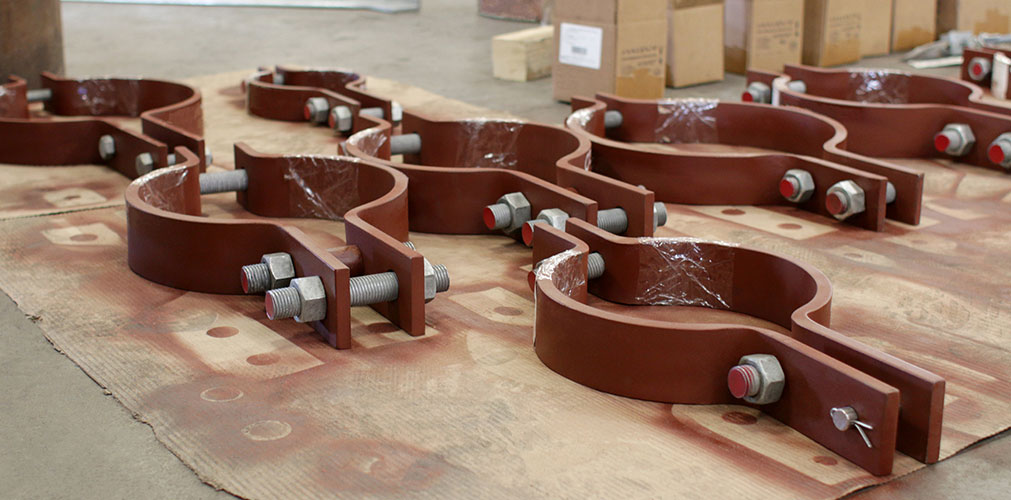
Pipe Clamps & Risers

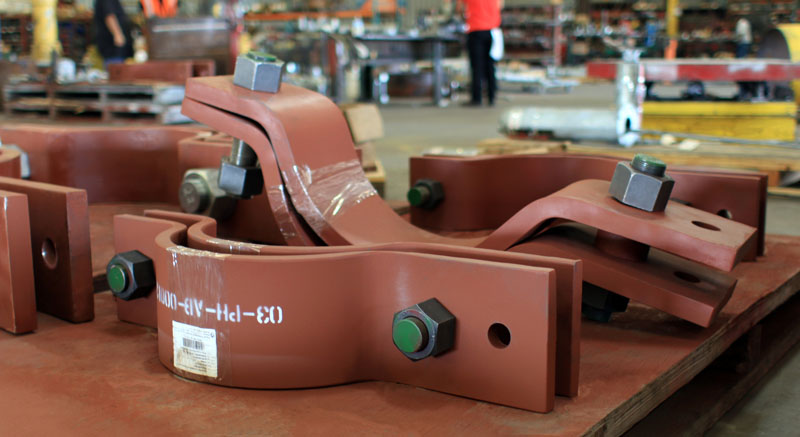
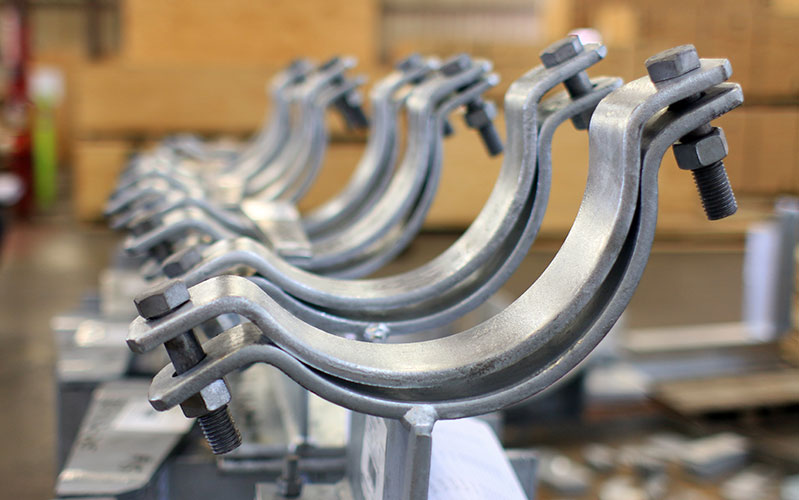
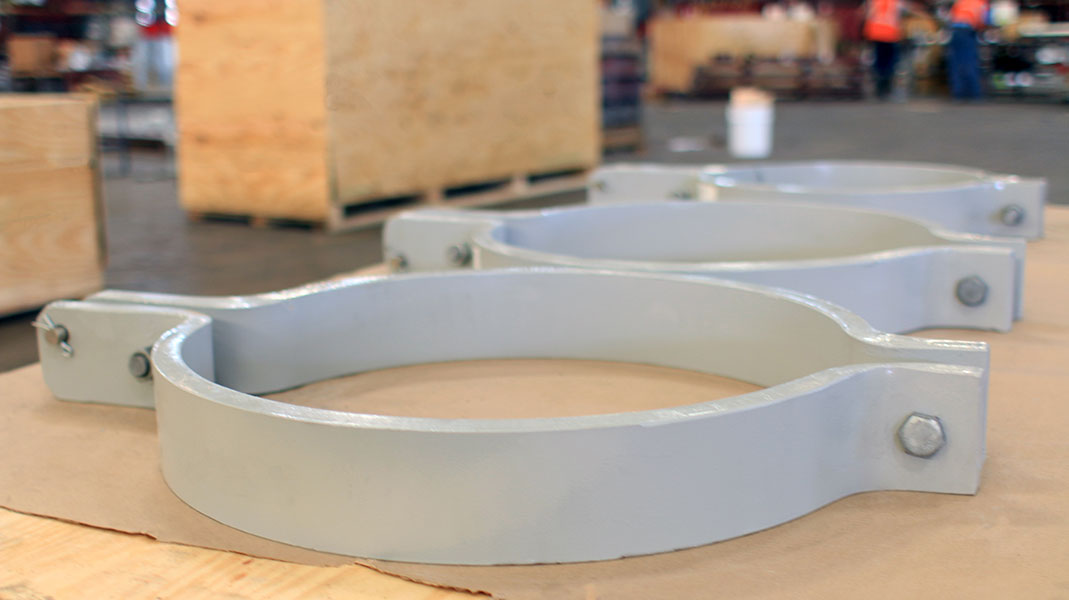
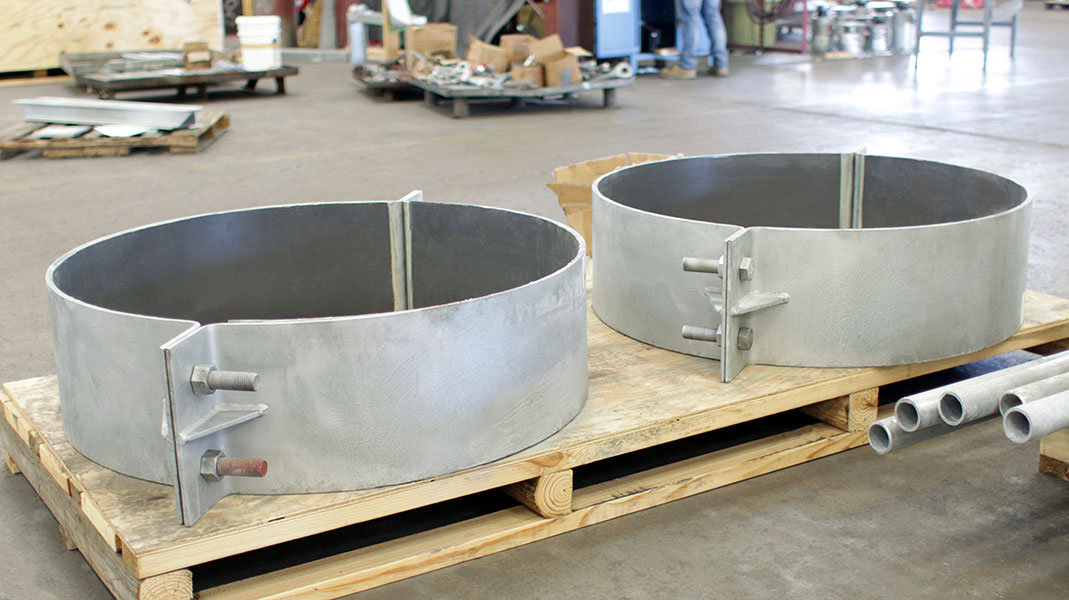
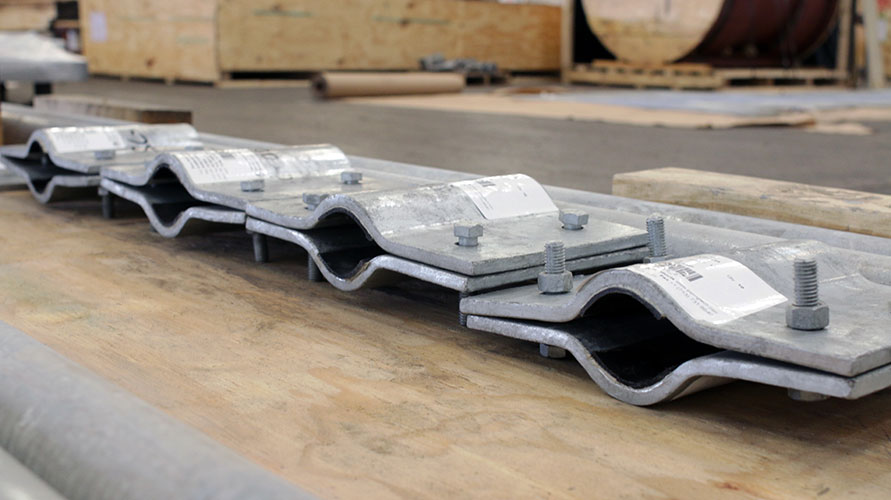
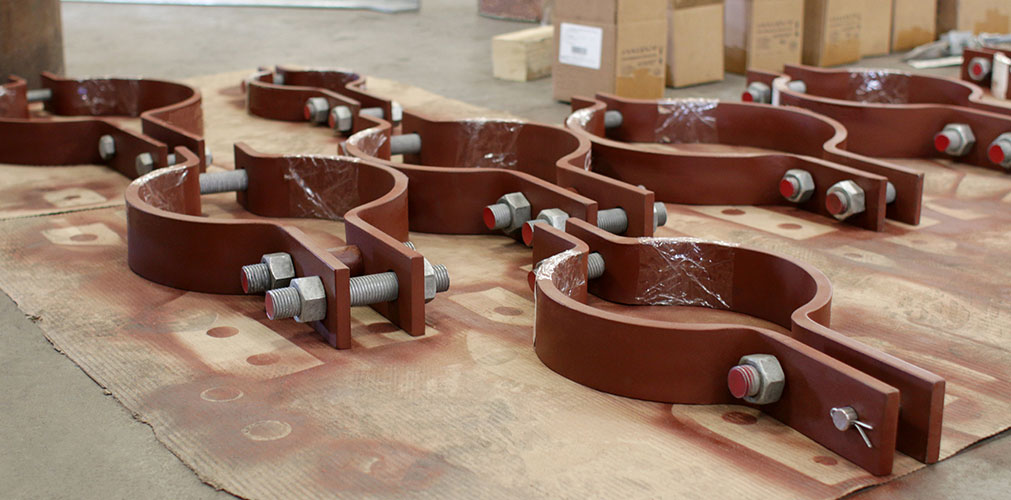
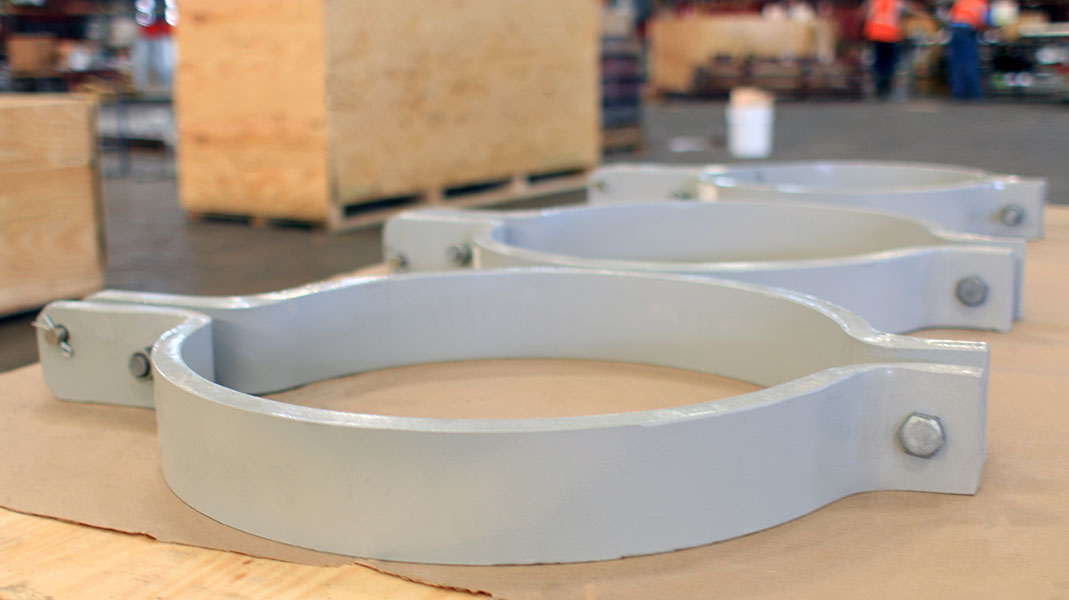
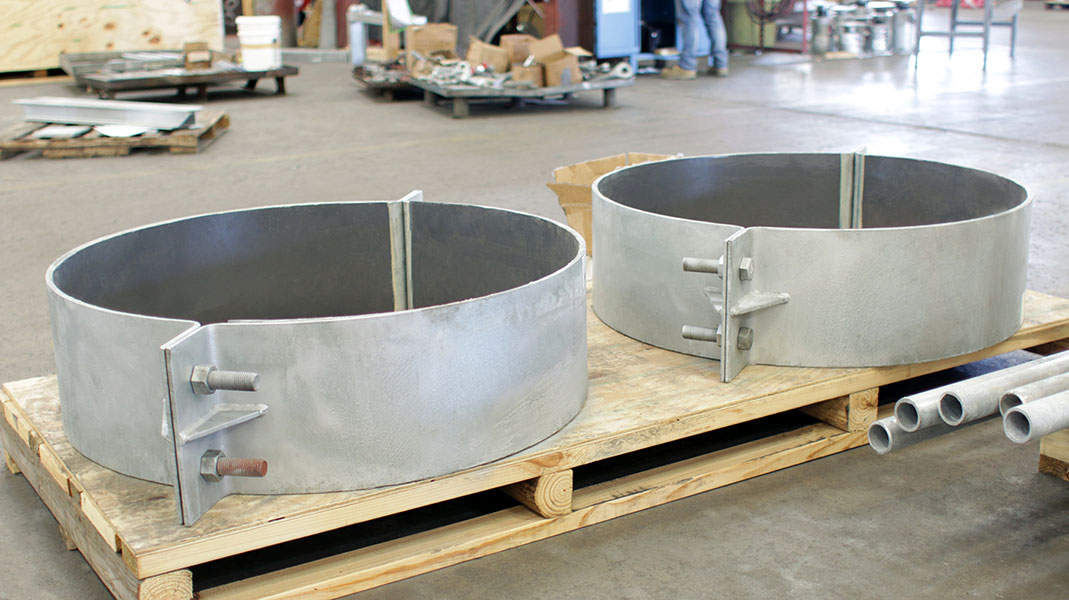
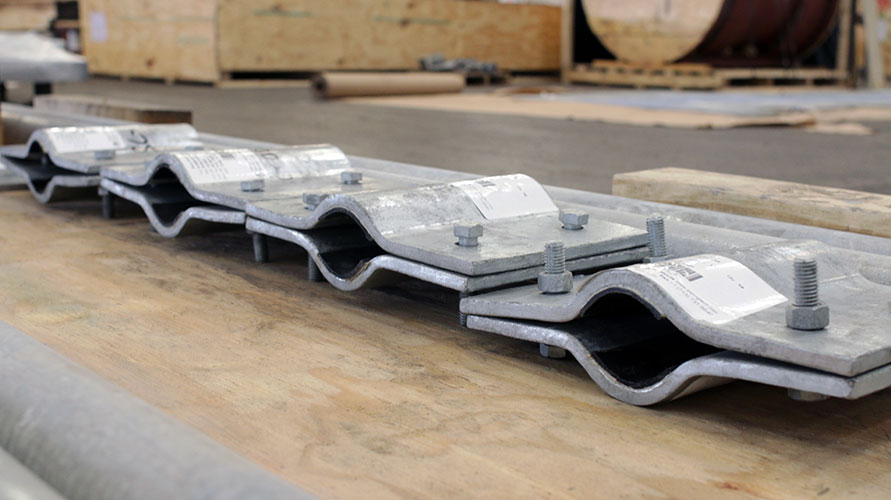
A pipe clamp is a bolted pipe attachment which clamps around the pipe to connect the pipe to the remainder of a pipe hanger assembly. Piping Technology & Products, Inc. maintains an extensive inventory of pipe clamps required for pipe hanger and support assemblies. The pipe clamps and risers can be manufactured with galvanized or black finishes depending upon customer specifications.

Pipe clamps and risers are essential support components designed to secure, guide, and distribute weight in both horizontal and vertical piping systems. This product category includes a variety of solutions, such as riser clamps for vertical support, heavy-duty clamps for high-load applications, and insulated clamps for thermal efficiency. By providing rigid or flexible anchoring, these supports prevent pipe sagging, vibration, and potential system failure, and ensure the structural integrity of the entire piping network.

Q. What is the primary function of a pipe riser clamp in a piping system?

A. A riser clamp is specifically designed to support the weight of vertical piping runs. It works by “clamping” onto the pipe at floor penetrations or support levels, transferring the load of the vertical pipe stack to the building structure or specialized support frames.


Q. How do I choose between a standard pipe clamp and a heavy-duty version?

A.The selection depends on the total load requirement and the operating environment. Standard clamps are suitable for general plumbing and light industrial use, while heavy-duty clamps are engineered with thicker materials and reinforced hardware to handle high-pressure systems, large-diameter pipes, and extreme mechanical stress.


Q. Can these clamps be used for pipes that undergo thermal expansion?

A. Yes, but the specific type of clamp must be selected based on whether the pipe needs to be anchored (fixed) or guided (allowed to move). For systems with significant temperature fluctuations, specialized clamps with liners or slide configurations are often used to prevent damage caused by thermal expansion and contraction.


Q. What materials and finishes are available for pipe clamps and risers?

To ensure durability in various environments, these supports are typically manufactured from carbon steel, stainless steel, or alloy steel. They can be finished with various treatments—such as hot-dipped galvanizing, zinc plating, or plastic coatings—to provide corrosion resistance in outdoor or chemically aggressive environments.


Q. What are the primary differences between a standard pipe riser and a heavy-duty riser clamp?

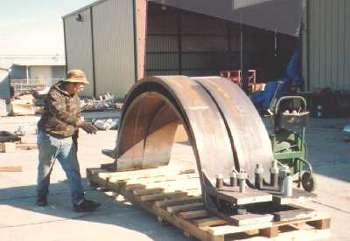
Standard pipe riser clamp is designed to support the weight of vertical piping by resting on the floor or a structural member. In contrast, a heavy-duty riser clamp ( such as PT&P Figure 90 ) features thicker steel and reinforced bolting to handle significantly higher load capacities and thermal expansion stresses. Heavy-duty versions are essential for high-pressure steam lines or large-diameter industrial vertical runs where standard clamps might fail under sheer stress.


Q. When should you use large pipe clamps instead of standard clevis hangers?

Large pipe clamps are preferred over hangers when the piping system requires superior stability and high-load distribution for pipes exceeding 24 inches in diameter. While clevis hangers allow some swinging motion, a heavy-duty pipe clamp (such as a three-bolt clamp) provides a rigid attachment point, making it ideal for high-temperature systems where the clamp must interface with constant or variable spring supports to manage thermal movement.

Q. How do pipe wall clamps secure vertical and horizontal piping in tight spaces?

Pipe wall clamps (or wall mounts) are engineered to anchor piping directly to vertical structures when floor space is limited. These are often used in conjunction with a pipe clamp stand to maintain specific distances from the wall for insulation clearance. By transferring the pipe’s weight directly to the building’s structural steel or concrete walls, these clamps minimize vibration and prevent pipe sagging in complex lateral runs.

Q. What factors determine the load capacity of a pipe clamp stand in industrial facilities?

The load capacity of a pipe clamp stand is determined by the pipe’s total weight (including fluid and insulation), environmental factors like seismic or wind loads, and the material of the stand itself. For heavy industrial applications, the stand must be paired with a heavy-duty pipe clamp to ensure the assembly withstands downward force without deforming. PT&P offers custom-fabricated stands with galvanized or black finishes to ensure long-term structural integrity, tailored to the specific corrosive environment.

Q. Why are three-bolt heavy-duty pipe clamps recommended for high-temperature systems?

Three-bolt heavy-duty pipe clampsare the industry standard for high-temperature applications because the third bolt is located above the pipe, providing an offset attachment point for the hanger rod. This design allows for greater insulation thickness around the pipe riser or horizontal run without interfering with the support hardware. This ensures the clamp can handle the mechanical load while the piping expands and contracts during thermal cycles.

Acid Plants
Ammonia Plant
Chemical Plant
Clean Fuels

Cogeneration Plant
Cold / Cryogenc Service
Commercial
Electric Plant

Energy Facility
Ethylene Plant
Heat Recovery Steam Generation Plant
Hospital

LLDPE Chemical Plant
LNG Plant
MTBE Plant
See All

See All Images

Top