This technical paper, presented at the 1987 Joint Power Generation Conference by engineers from Brown & Root U.S.A., Inc., addresses the critical need for systematic inspection and upgrading of high energy piping systems (HEPS) in power plants. Despite often being considered low-maintenance, these systems are prone to failures due to thermal fatigue, creep, vibration, and corrosion, particularly at welds, hanger points, and fittings.
The study identifies common failure locations, such as main steam lines, hot reheat lines, and boiler piping, and explains that older fossil fuel power plants are especially susceptible. Using historical data and case studies, the authors categorize failure types and associate them with specific plant components and operating conditions.
To mitigate these risks, the paper outlines methods to detect impending failures, including:
- Stress analysis,
- Visual and non-destructive inspection techniques (NDE),
- Monitoring of pipe hangers and supports.
The authors emphasize the importance of systematic evaluation of symptoms (like pipe displacement or equipment overload), root cause diagnosis, and the application of targeted corrective actions, such as support replacement or system modification.
Overall, the paper provides a practical framework for maintaining the reliability and safety of HEPS, advocating for proactive maintenance strategies and the integration of modern diagnostic tools to prevent costly and hazardous failures.
Read More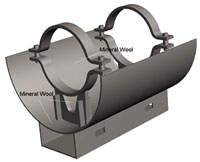 This presentation will cover pipe support design, 3D modeling, Finite Element Analysis, special stress and thermal cases, along with the unique cases that brought on new pipe support designs. Increase your understanding of the value-added services that are offered by PT&P, and rest assured that your Engineering and Design needs can be covered by our 24×7 web-based emergency services, providing field service, and quick-turn around time when you need it most.