Your pipeline is the circulatory system of your operation, and just like a human body, it requires routine maintenance to function at its peak.
In chemical and petrochemical industries, pigging systems are used to separate different products within a pipeline to prevent contamination, as well as for cleaning and inspection. In water and wastewater treatment, they help remove sediment, biofilms, and scale from municipal mains to improve water quality and flow efficiency. In the food and beverage sector, pigging is employed to reclaim valuable products and prevent cross-contamination when transporting different batches of liquids such as chocolate, dairy, or juices. Similarly, in pharmaceuticals and cosmetics, pigging is applied in sanitary processes to clean and inspect pipelines, ensuring product purity and compliance with strict hygiene standards.
Pigging: the act of using a device called a “pig” to clean, inspect, or maintain a pipeline, is the most effective way to achieve optimal performance from your piping operation. And at the center of any successful pigging program is the pig launcher.
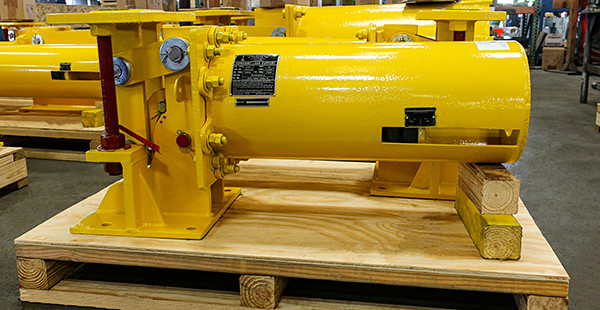
A pig launcher is a specialized piece of equipment that safely introduces a pipeline pig into a pressurized line. It’s a critical component that delivers efficient and safe pigging operations.
Choosing the right one is important. This guide will help you understand the benefits and options available, enabling you to make an informed choice that will aid in maintaining a debris-free piping operation.
Equipment
The physical infrastructure is essential for any pigging operation. This equipment, including pig launchers and receivers, enables the safe and efficient introduction and removal of pigs from the pipeline.
- Pig Launcher: An oversized section of pipe where a pig is loaded and then launched into the main pipeline. It’s equipped with a quick-opening closure for easy access and various valves to control pressure and fluid flow.
- Pig Receiver: Located at the end of a pigging run, this is a similar oversized section of pipe designed to catch the pig and any debris it pushes. It also features a quick-opening closure for retrieving pigs and debris.
- Kicker and Bypass Lines: The kicker line is a smaller pipe that directs a portion of the product flow into the launcher to propel the pig. Bypass lines are used in receivers to allow continuous product flow while the pigging process is underway.
Why Pig Launchers Are Important for Your Piping Operation
Investing in a quality pig launcher isn’t just about maintenance; it’s about safeguarding your assets and maximizing your return. The benefits extend far beyond a clean pipe:
- Boosted Productivity and Flow: Debris, wax, and scale buildup inside pipelines can restrict flow, increase friction, and reduce overall throughput. Regular pigging removes these blockages, improving flow rates and boosting operational efficiency.
- Reduced Operational Costs: By recovering valuable products, minimizing waste, and decreasing the need for extended shutdowns for manual cleaning, pigging systems can lead to significant cost savings.
- Increased Safety: Modern pig launchers are designed with safety features, such as quick-opening closures and pressure relief devices, to protect personnel and equipment during operations, thereby mitigating risks associated with high-pressure systems.
- Product Batching and Separation: For companies that transport different products through the same pipeline, pigging allows for the effective separation of batches, preventing cross-contamination and ensuring product purity.
For a deeper dive into how custom solutions can address specific challenges, read our companion piece: Custom-Designed Pig Launcher.
Your Options: Choosing the Right Pig Launcher
Pig launchers are not one-size-fits-all. They are highly customized based on your specific application, pipeline dimensions, and operational needs. Here are the key factors you need to consider:
Sizing and Pressure
The most important considerations are the size of your pipeline and the operating pressure. The launcher’s major barrel must be large enough to hold the pig, while the minor barrel must match the diameter of the pipeline. Our capacity for design pressure range is up to 4000 PSIG (pounds per square inch gauge) for pig launchers and receivers:
Material Selection
The material of the launcher is critical for lifespan, application, and media integrity . Most are fabricated from carbon steel, but for corrosive or sanitary/food grade applications (e.g., food and beverage/pharma), materials like stainless steel are often required to prevent contamination and withstand harsh environments.
Level of Automation
Pig launchers come with various levels of automation. From simple, manually operated systems with flag indicators to fully automated, remotely controlled units, the choice depends on your budget and the frequency of pigging operations. Automated systems reduce operator involvement, increase safety, and enable more frequent and aggressive pigging programs.
Things We Need to Know, Before We Quote a Pig Launcher or Receiver
- What will the launcher be used for, liquid or gas? This will determine the design code.
- What will be the pressure and temperature of the fluids in the operating system?
- Will you need supports (legs) to be included?
- What type of finish will you select? The standard finish is our shop primer.
- Do you have any special requirements? Anything added to a launcher or receiver can increase both complexity and cost.
- What is the location of closure, where the pig will be loaded? As pressure requirements increase, closure options become more restrictive.
Specialized Features
To optimize your system, consider these options:
- Quick-Opening Closures: These are essential for safe and rapid access to the launcher barrel, allowing for the insertion or retrieval of the pig.
- Instrumentation Ports: These allow for pressure monitoring, while vents and drains are crucial for depressurization and cleaning.
- Bypass Lines: A bypass allows product flow to continue while the launcher is offline for maintenance.
Multiple-Pig Systems: For complex operations, launchers can be designed to hold and launch multiple pigs in sequence, which is ideal for multi-stage cleaning or intelligent inspection.
At Sweco Fab, a Piping Technology & Products company, we offer the following capabilities for pig launchers and receivers:
| Fabrication Design Codes |
Materials of Construction |
Design Pressure Range |
Pig Trap Size Ranges |
Maximum Overall Skid Offered |
Shop Certifications |
| ASME B31.4, B31.8, B31.4 & Sec. VIII Div.1 |
CS, LTCS, SS 304, SS316 & API Pipes |
Up to 4000 PSIG Line |
2″ NPS to 48″ NPS Lines |
8′ x 40′ x 10′ (Up to 40,000 Lbs weight capacity) |
ASME U & R Stamp certified, ISO 9001 |
Don’t Leave Your Pipeline to Chance: Partner with Piping Technology & Products (PT&P)
Every pipeline is a significant investment, and its performance directly impacts your bottom line. By selecting the right pig launcher and receiver system, you can ensure continuous operation and protect your infrastructure. The decision to pig your pipeline is the first step toward a smarter, more profitable operation. The next step is choosing a partner like PT&P who can provide the right solution, tailored to your exact specifications.
Ready to boost performance and safety in your pipeline operations? Contact our experts and request a quote today to design a custom pig launcher.
Read More